Self Storage in Marsden: What Actually Works
Find Out More →If you're about to pick a self storage provider in Marsden, you've probably already noticed there aren't that many options locally. That's partly why it matters so much to get it right the first time — you don't want to be stuck with somewhere that doesn't deliver when you actually need it.
Living here, especially near the flood plains around the River Colne, I've seen firsthand how storage decisions can go wrong. People rush, pick the cheapest option, then discover their unit floods during heavy rainfall or access is a nightmare when they need something urgently. So here's what actually separates a good self storage provider from one that'll let you down.
Does the facility take security seriously?
This is the first thing to check, and it's non-negotiable. Your belongings need to be genuinely protected, not just theoretically locked away. Ask what security measures are actually in place — CCTV coverage, alarm systems, gated access, staffed hours. Don't settle for vague answers. A good provider will be clear about what you're getting.
Also ask whether they require membership cards or access codes, and if there's any way to control when people can come and go. The best facilities operate controlled access hours. Some cheaper operations will let anyone turn up anytime if they have a key, and that's a risk you don't want to take.
What's the actual condition of the units?
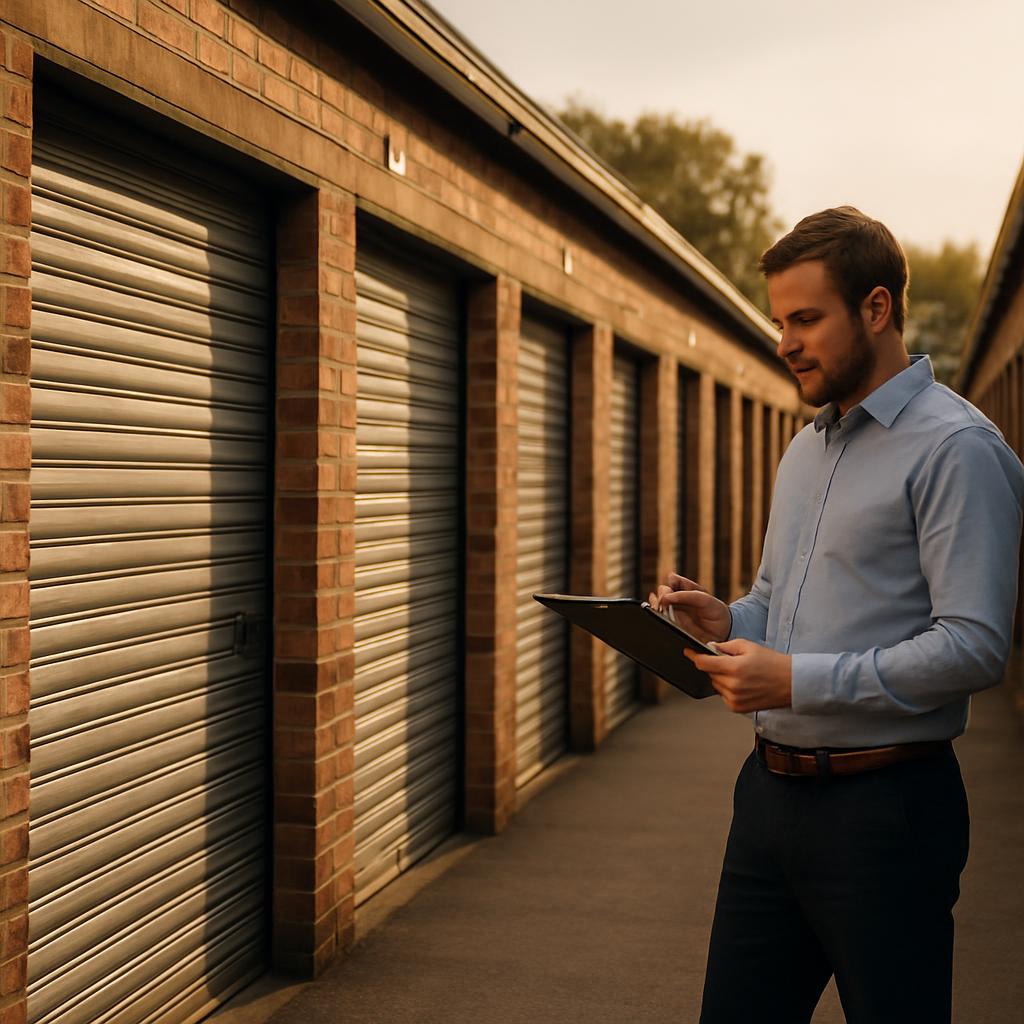
This matters more in Marsden than you might think, given our climate. Visit in person before you commit — don't just book online or over the phone. Walk around, look at the buildings, check the floors for damp or water damage, open a unit and inspect it. Climate control is worth paying for if you're storing anything vulnerable: furniture, electronics, documents.
Ask directly about flooding history. How does the facility handle drainage? What happens if there's a downpour? Where are the units positioned relative to potential water ingress? You want to know the answers aren't just 'we'll sort it if it happens' — they should have a plan in place already.
Look at the overall maintenance too. Peeling paint, rust, sagging roofs — these are signs the operator doesn't invest properly. It suggests they won't invest in your security or their drainage systems either.
Are their prices transparent, or are there hidden fees?
Get a quote in writing. Not a phone estimate or a rough figure — actual written terms showing the unit size, monthly rate, any access fees, insurance options, and what happens if you need to extend or end your contract early. Hidden costs buried in small print will cost you money and frustration.
Some providers charge separately for things like access outside office hours, late payment fees, or admin charges. Others build it all in. Either way, you need to know upfront. Find out more about what genuinely good providers offer and how their pricing compares.
Compare a few options if you can. Don't assume the cheapest is worst or the most expensive is best — but do get enough information to understand what you're actually paying for.
How easy is it to access your unit?
This is something locals often overlook until they need something urgently. What are the access hours? Can you get in on weekends? If you need your stuff on a Sunday evening, will the gates be locked? Some facilities offer keypad access outside staffed hours, others don't. Know which you're dealing with before you sign.
Also ask about the process for booking access if it's restricted, how quickly they can arrange something in an emergency, and whether staff are actually on-site or just checking CCTV remotely. This article explains why timing and access flexibility matter more than people realise when you're actually using the space.
Visit at different times if possible. See how busy it is, whether parking is straightforward, and whether the staff seem helpful or resentful when you ask questions.
What do current customers actually say?
Ask the provider for references or recent customer testimonials. Better still, see if you can find independent reviews online. Real feedback matters more than marketing promises. People will tell you if access is difficult, if staff are unhelpful, if security feels questionable, or if anything went wrong when they needed help.
One thing to specifically ask about: how quickly does the provider respond to problems? If water gets in, or access fails, or something goes missing, do they act fast or does it drag on for weeks? Read more here about what experienced storage users actually prioritise.
Red flags to walk away from
Don't use a provider that won't let you inspect a unit before committing. Don't accept vague security answers. Don't sign up if they can't give you written terms. If they're evasive about flooding risk or drainage, that's a sign they've had problems before and aren't confident their systems work.
Also be wary if staff seem unprepared to answer practical questions, or if the facility looks poorly maintained. These things correlate with deeper problems in how the business is run.
So what now?
Self Storage Marsden operates with the kind of transparency and attention to local conditions this post describes. They're open about security measures, they've invested in proper climate control and drainage appropriate to Marsden's geography, and they publish their pricing clearly. Access is available outside standard hours, and their staff actually know the local area and its particular challenges.
If you're ready to book, get in touch with them directly. Ask the questions in this guide, inspect a unit, and make sure it feels right for your needs. Don't rush it — a good storage decision pays for itself in peace of mind.
Looking for Self Storage near Marsden?
We have secure, flexible units available in the area. Get in touch with Self Storage Marsden today.
Find Out More →